
Therapeutic Expertise
Cardiovascular & Metabolic Diseases
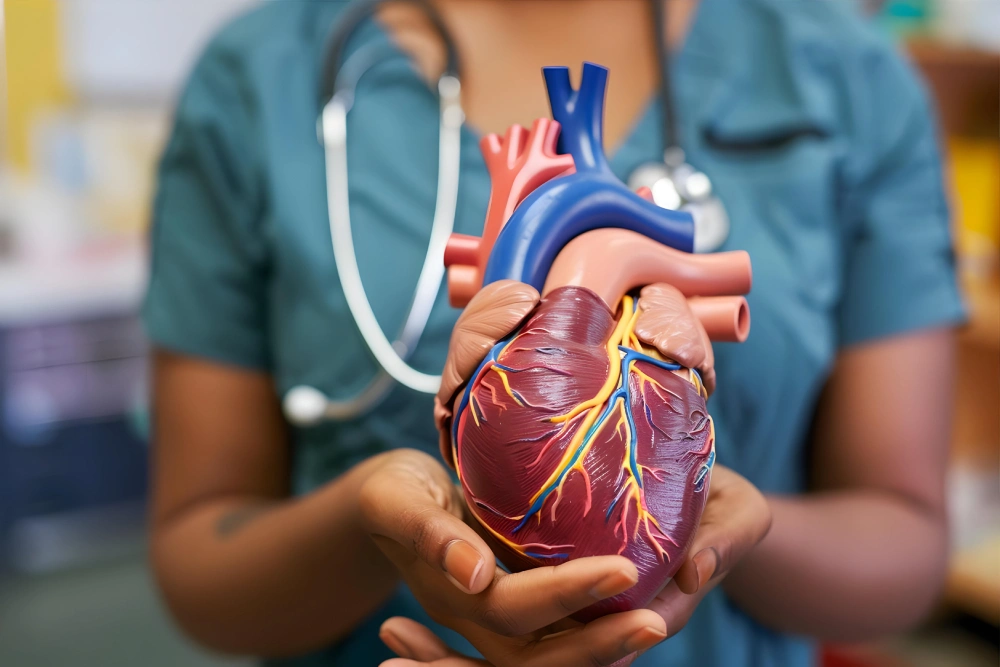
We’re actively involved in community-based screening programs that help detect early signs of these conditions in at-risk populations. Through mobile clinics, outreach partnerships, and rural health drives, our team ensures individuals who might otherwise go undiagnosed receive timely medical attention. For example, recent campaigns in Nairobi’s outskirts led to the early identification of dozens of hypertensive patients who were then connected to appropriate care pathways.
Moreover, our research collaborations with public hospitals and academic institutions help refine diagnostic approaches, including the use of non-invasive technologies for assessing cardiac health. One of our key focus areas, cardiac amyloidosis, remains underdiagnosed in Africa. CRK NGO is spearheading efforts to raise awareness and promote early detection through training, symposiums, and direct patient engagement.
In line with our mission, we continuously work to bridge the knowledge gap between modern cardiovascular science and local clinical practice. This is achieved through workshops, CME programs for healthcare workers, and open-access educational resources. Our goal is clear: empower both clinicians and communities with knowledge that leads to better health outcomes.
Ultimately, cardiovascular and metabolic diseases are not just medical challenges, they are social ones, too. CRK NGO aims to address both fronts by integrating clinical research with health system strengthening, ensuring that discoveries made in the lab or field reach the real-world patients who need them the most.
Hematology & Oncology
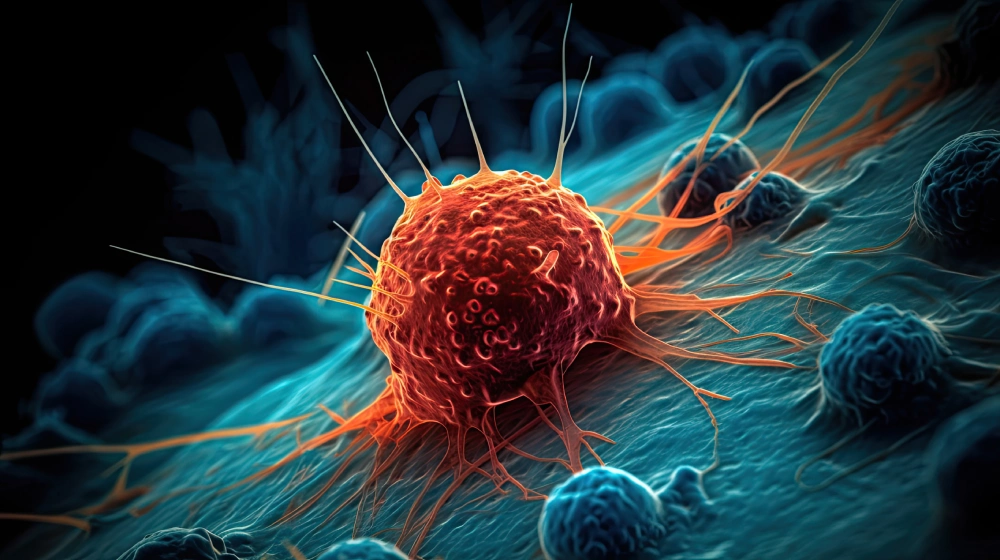
In the field of hematology and oncology, CRK NGO stands as a beacon of hope for individuals affected by both common and rare cancers, as well as blood disorders. From sickle cell anemia to breast, prostate, and cervical cancers, our work combines research, advocacy, and patient care in a seamless, patient-centered model.
We focus on high-impact initiatives tailored to African health realities. For instance, our cervical cancer prevention project offers free HPV screening for women in rural communities, coupled with referral systems to ensure continuity of care. Similarly, our community education campaigns around prostate cancer have demystified the disease, encouraging more men to seek screening and early diagnosis.
CRK NGO has also pioneered a quality improvement (QI) program for managing patients with multiple myeloma, lymphoma, and other hematological malignancies. By tracking patient outcomes, refining care protocols, and upskilling clinicians, we’ve improved survival and reduced treatment abandonment, a major issue in low-resource settings.
Moreover, our research doesn’t occur in isolation. We work closely with global oncology partners and pharmaceutical sponsors to bring international trials to Kenya, giving patients access to cutting-edge therapies that were previously out of reach. This is particularly true for HIV-related malignancies, where co-management of comorbidities requires sophisticated care models.
Through our outreach events, CRK NGO also addresses myths and stigma surrounding cancer, factors that often delay care. We actively collaborate with community leaders, religious institutions, and local influencers to ensure culturally sensitive messaging.
Our commitment is not just to treat, but to transform. By fusing data-driven research with compassionate care, CRK NGO is rewriting the narrative of cancer and blood diseases across Kenya and beyond.
Infectious Disease & Biothreats
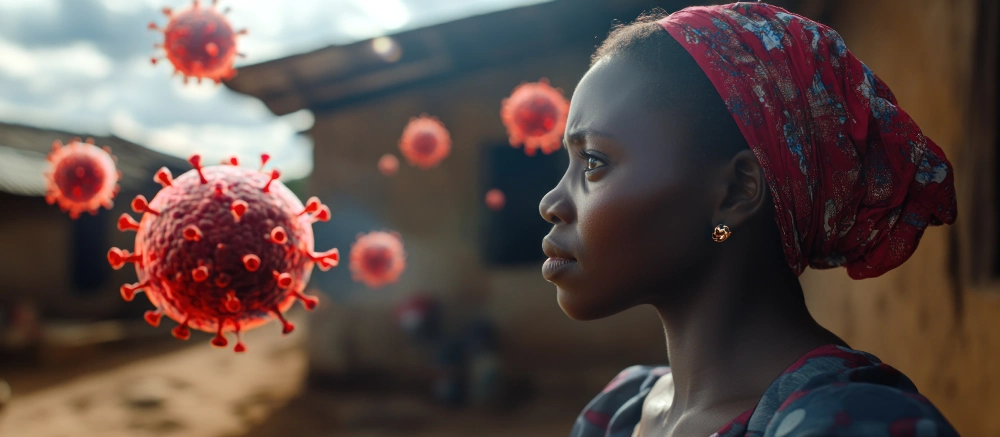
Infectious diseases remain one of the most pressing public health challenges across Sub-Saharan Africa. CRK NGO has made it a core mission to combat illnesses like malaria, tuberculosis (TB), and HIV/AIDS, while also preparing for future threats such as COVID-19, Ebola, and Lassa fever.
Our multi-pronged approach includes community awareness, rapid diagnostics, treatment access, and bio-surveillance. We have deployed mobile testing units in rural communities to improve HIV and TB screening rates. In areas with high malaria prevalence, we distribute long-lasting insecticidal nets and educate households on preventive practices.
What truly sets us apart is our capacity to respond quickly to emerging threats. During the COVID-19 pandemic, CRK NGO organized educational webinars for healthcare workers, established handwashing stations in underserved areas, and distributed PPE to frontline responders. These efforts were crucial in flattening the curve in several localities.
Additionally, our infectious disease research unit actively collaborates with governmental and international bodies such as Kenya’s Ministry of Health, WHO, and CDC. Through these partnerships, CRK supports early warning systems and participates in vaccine research trials.
We are also deeply committed to tackling neglected tropical diseases (NTDs). Often overlooked by major global initiatives, these conditions disproportionately affect the poorest populations. By integrating NTD surveillance into our routine clinical work, we ensure that no disease, and no patient, is left behind.
Our infectious disease work is more than a health initiative; it’s a humanitarian mandate. Whether responding to a local outbreak or preparing for global pandemics, CRK NGO stands ready to protect and promote the health of communities, both today and tomorrow.
Specialty Medicine
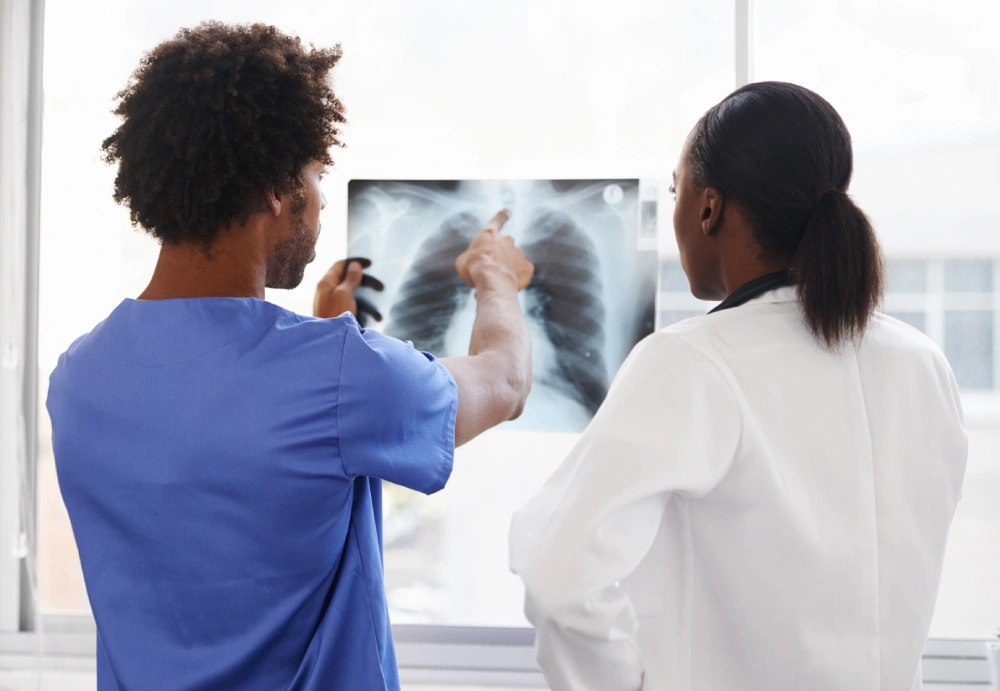
CRK NGO’s dedication to specialty medicine addresses some of the most urgent yet underrepresented healthcare needs, mental health, reproductive health, chronic respiratory diseases, rheumatology, and pain management.
Despite growing awareness, mental health services remain stigmatized and under-resourced in many African contexts. CRK NGO has taken active steps to integrate mental health screening into its general medical camps. Our trained counselors work alongside physicians to identify and support individuals with conditions like depression, anxiety, and PTSD, especially among women, youth, and healthcare workers.
On the reproductive health front, CRK NGO champions women’s and adolescent health rights. We provide access to contraceptives, prenatal counseling, and safe motherhood programs, particularly in hard-to-reach areas. These initiatives have not only reduced maternal mortality but also empowered women with greater control over their health.
When it comes to chronic respiratory conditions such as asthma and COPD, our team runs spirometry-based diagnostic services during outreach. By identifying these diseases early, especially in children and elderly populations, we’re able to significantly improve quality of life.
CRK NGO is also building a rheumatology knowledge base through specialist training and data collection on autoimmune conditions like lupus and rheumatoid arthritis, fields rarely addressed in low-income regions.
Lastly, we place a strong emphasis on pain management, a critical yet neglected component of palliative care. Through collaborations with pain specialists, we are training nurses and clinicians to provide relief for patients suffering from cancer, arthritis, or post-surgical pain.
Specialty medicine at CRK NGO means treating the whole person, not just the disease. By filling in the gaps that conventional programs often overlook, we ensure comprehensive, dignified care for all.
FAQ
What are the main therapeutic areas covered by CRK NGO?
CRK NGO focuses on cardiovascular and metabolic diseases, oncology, infectious diseases, and specialty medicine.
Why is clinical research important in Africa?
It addresses local health burdens, improves access to innovative treatments, and ensures inclusive global data.
How does CRK NGO support infectious disease research?
By conducting field-based studies, diagnostic support, and collaborating with international health bodies.
Can volunteers or researchers join CRK NGO?
Yes, the organization welcomes researchers, clinicians, and volunteers to join its impactful programs.
What is the focus of CRK’s oncology efforts?
CRK prioritizes breast, cervical, prostate, and HIV-associated cancers with prevention and early detection strategies.
What is cardiac amyloidosis, and how is CRK NGO addressing it?
Cardiac amyloidosis is a serious condition caused by the buildup of abnormal protein deposits in the heart, leading to stiffening of the heart walls and reduced function. CRK NGO is tackling this diagnostic blind spot in Africa through awareness campaigns, training for healthcare providers, and the implementation of screening programs. We also lead research collaborations focused on improving early detection and patient outcomes, especially in underserved communities.
Where is CRK NGO based?
The organization is located at St. Mary’s Mission Hospital, Lang’ata, Nairobi, Kenya.